Rural Telangana tops India in LPG use at 95.3%, SBI Research finds
An SBI Research analysis of the 2023-24 household consumption survey shows Telangana's villages out-ahead of its cities on cooking gas, in a country where several states remain far behind.
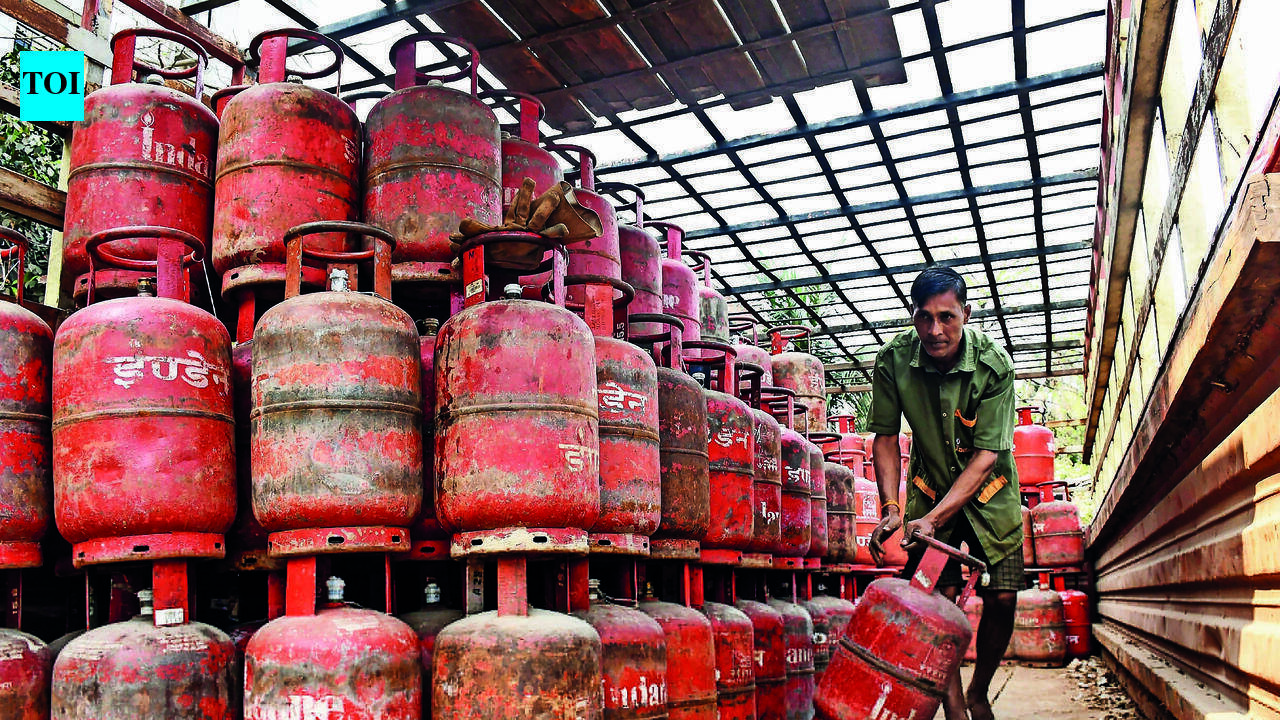
Rural Telangana has the highest share of households using LPG as their primary cooking fuel among the states covered in a new SBI Research report, with 95.3% of village homes relying on it. The report, India's Consumption Journey, puts the state's overall LPG penetration at 84.4%, with urban usage at 73%.
The rural-urban gap runs against the usual pattern. Telangana is one of the few states where rural households report substantially higher LPG use than urban ones. The report does not explain the reversal in the material available, but it suggests that access programmes have been concentrated where the older fuel, firewood, was most entrenched.
Telangana's rural figure is well ahead of the next states: Andhra Pradesh at 86.9%, Punjab at 84.1%, Karnataka at 81.5% and Tamil Nadu at 81.4%. At the other end, rural LPG penetration is 15.3% in Chhattisgarh, 16.8% in Odisha, 17.2% in Jharkhand and 22.9% in Rajasthan. The distance between the leaders and the laggards shows how unevenly clean cooking fuel has spread, despite years of national emphasis on access.
The analysis draws on the National Statistics Office's Household Consumption Expenditure Survey for 2023-24, fielded from August 2023 to July 2024. It covers 2,61,953 households across rural and urban India. Because the survey measures the fuel households report using as their primary cooking source, it captures actual use rather than the number of connections issued.
Industry representatives credit a mix of state and central welfare schemes along with corporate social responsibility spending. Jagan Mohan Reddy, president of the Telangana LPG Distributors Association, said the state has about 1.3 crore active LPG consumers. By his estimate, around 40 lakh gained access through state government schemes, 10 lakh through central initiatives and another five lakh through CSR programmes.
Taken together, those figures account for roughly 55 lakh connections, a little over two-fifths of the active consumer base. They suggest that public and philanthropic intervention, rather than market expansion alone, has driven much of the state's lead. The figures are an industry estimate and were not part of the SBI analysis.
The findings matter for policy because high adoption is not the end of the question. Connections are only as meaningful as the refill habits behind them, and the survey's primary-fuel measure is a useful check on that. Telangana's numbers indicate that sustained, layered state and central support can move rural households to cleaner fuel, while the single-digit-to-low-twenties readings in Chhattisgarh, Odisha, Jharkhand and Rajasthan show where the work remains.
The report was first covered by The Times of India.