Gold and silver face a volatile week as inflation data, Fed signals and West Asia loom
Bullion slid last week on a firmer dollar and rising yields, and analysts expect investors to stay cautious while inflation readings and Fed commentary set the tone.
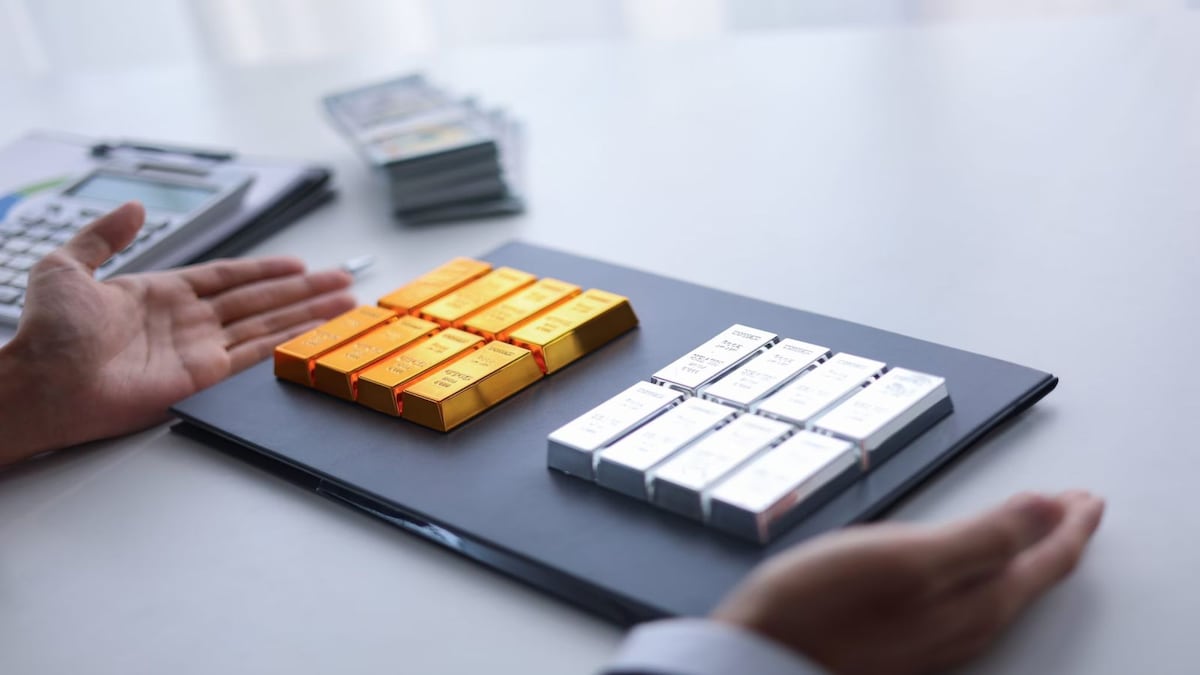
Gold and silver are heading into a turbulent week after both metals posted steep losses in the previous session, with analysts warning that volatility is likely to stay elevated. Investors are weighing a dense calendar of inflation data from India, the United States, the United Kingdom, the Eurozone and Japan, alongside minutes from the Federal Open Market Committee, fresh remarks from Federal Reserve officials and US jobs figures.
The weekly declines were substantial. Gold futures on the Multi Commodity Exchange for December delivery fell by roughly 4.1 per cent to close near Rs 1.36 lakh per 10 grams, while silver dropped close to 5 per cent to settle around Rs 1.76 lakh per kilogram. On Comex, gold for December delivery finished near $3,886 an ounce after shedding almost 5 per cent, and silver settled just under $49 an ounce.
Market participants attribute much of the pressure to a stronger US dollar and rebounding global bond yields. Hawkish signals from Fed officials came first, and inflation figures from the United States and other economies that came in above expectations added to the strain. Higher yields raise the opportunity cost of holding non-yielding assets such as bullion, which is why the metals have been especially sensitive to rate expectations.
West Asia is the other variable that could move prices sharply. Analysts note that any escalation between Washington and Tehran could lift crude oil prices, which would feed into inflation concerns and strengthen the case for tighter monetary policy. That combination would be unfavourable for gold, even as it can briefly attract safe-haven buying. Silver faces an additional channel, since Chinese industrial production data may influence industrial metal demand.
Brickwork Ratings' head of research, Rajeev Sharan, described gold as having entered a consolidation phase after a strong rally earlier in the year. He pointed to market pricing that now implies close to a 90 per cent chance of a rate hike in December, and he expects international gold to trade between $3,850 and $4,000 an ounce in the near term. Domestic demand for jewellery ahead of the wedding season and steady central bank purchases could limit the downside, according to his assessment.
The World Gold Council has noted that exchange-traded fund investors have largely stayed on the sidelines so far this quarter, following record inflows in the third quarter of 2026. Central banks have remained net buyers, even as demand for coins and bars has softened. For readers tracking the outlook, the signal to watch is whether incoming inflation data and Fed guidance confirm or challenge the market's pricing of further tightening. Further reading on the commodity outlook is available at CNBC-TV18.