Defence Secretary says India is now Europe's third-largest arms supplier
Rajesh Kumar Singh links record exports of Rs 38,424 crore to ammunition demand under 'Rearm Europe' and sets out a joint-venture route into European procurement.
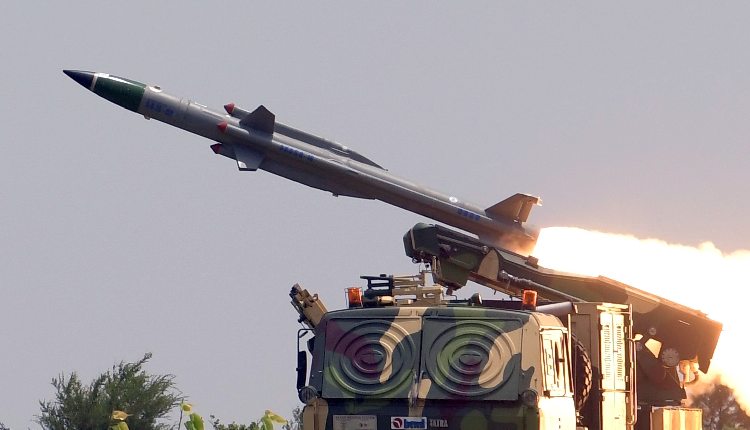
India has become the third-largest supplier of arms to Europe, Defence Secretary Rajesh Kumar Singh said in New Delhi on Friday. He attributed the rise to demand generated by the European 'Rearm Europe' initiative, and said India's defence exports have reached a record Rs 38,424 crore, about 3.6 billion euros.
Singh said he drew the ranking from a Bloomberg report he had read a day earlier, which he said showed India moving up sharply within a year. He said the shift was driven largely by standard ammunition, including artillery shells and both large- and small-calibre rounds, shipped to Europe in significant volumes. He did not say how much of the record total went to European buyers, so the ranking rests on a third-party assessment that the government has cited rather than published itself.
The ammunition emphasis matters. European governments are replenishing stockpiles and widening procurement, and consumable munitions are among the categories where supply is most constrained. Singh said India's exports are not limited to shells and guns. They also include helmets, bulletproof jackets and small arms, and he said buyers in Southeast Asia in particular are negotiating contracts for components, small arms and artillery systems. He put the number of destination countries at more than 80.
Singh tied the export performance to a decade of change in domestic industry. He said the sector now comprises 16 large public sector companies, nearly 840 large and medium-sized private firms and about 17,000 small enterprises, startups among them. Domestic sales, he said, are now almost 17 billion euros. The government aims to spend 75 per cent of an annual defence capital budget of roughly 20 to 25 billion dollars within India, giving priority to IDDM products (Indian-designed, developed and manufactured) in the name of technological sovereignty.
The Defence Secretary also addressed India's import profile. Russia was once the dominant supplier and much of the existing inventory is still of Russian origin, he said, but dependence has fallen as India diversified. France now accounts for about 15 per cent of defence imports, with Israel at a similar share. He said India has strong bilateral ties with France and other European states, and described a recent trip to Greece and Cyprus as a visit to partners with whom New Delhi sees strategic alignment and who could serve as a gateway.
On market access, Singh said India does not expect to bid directly in European arms programmes. It intends to take part through joint ventures set up in Europe, while European firms would form ventures in India to reach its defence market. European companies can join Indian procurement, he added, but only on 'Make in India' terms. He said he hopes the partnership agreement will help integrate supply chains between European and Indian manufacturers. The practical test will be whether ammunition orders turn into longer-term industrial partnerships.